🔥 Italian usage ⚡ Snippet
Addio vs. Ciao
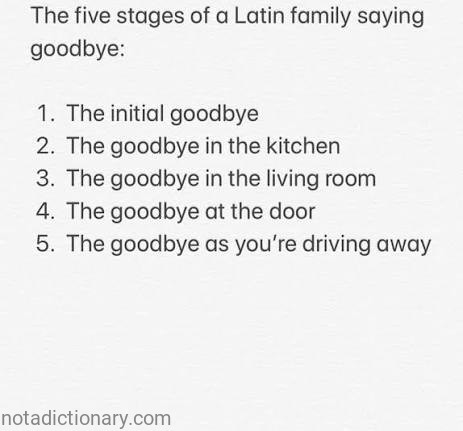
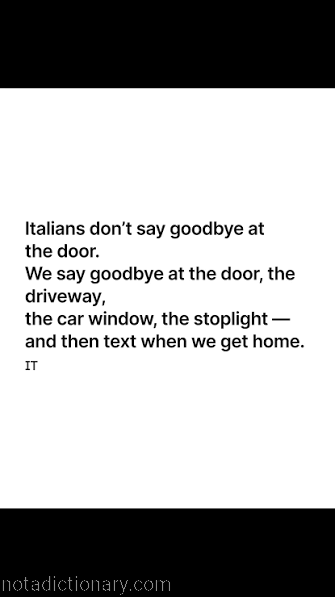
✅ Ciao = Hi/Bye (Informal, temporary, friends/family)
✅ Ci vediamo / Ci si vede = See you (Very common, implies future meeting)
✅ A dopo / A più tardi = See you later (Specific timeframe)
✅ Buona giornata = Have a good day (Polite but warm, used when parting during the day)
✅ Buonasera = Good evening (Formal/Polite, used after ~4 PM)
Slang & Regional:
✅ Salve = Hello/Goodbye (Neutral, semi-formal, safe for acquaintances)
✅ Bella / Bello = Bye (Very informal, youth slang, short for “Ciao bella/bello”)
✅ Stammi bene = Take care (Literally “Stay well”, affectionate)
✅ Un abbraccio = A hug (Warm closing for letters/messages or close friends)
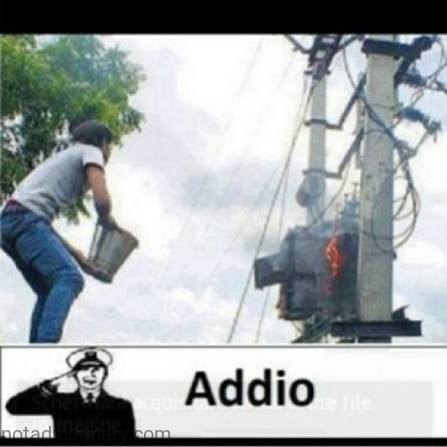
️ Addio = Farewell (Final, dramatic, permanent). Using addio for friends is hyperbolic humor — unless you’re moving to another continent!’
✅ Arrivederci = Goodbye (Standard formal, implies seeing again)
✅ ArrivederLa = Goodbye (Very formal, respectful, use with elders/superiors)
✅ Distinti saluti = Best regards (Written only, emails/letters)
✅ Cordiali saluti = Kind regards (Written only, standard business closing)
😢 Addio = Farewell forever (Finality, death, permanent separation)
😢 Non ti vedrò più = I won’t see you anymore (Literal, sad)
😢 Fai buon viaggio = Have a safe journey (Used when someone is leaving for a long time)
Buongiorno as goodbye → Only use Buona giornata when leaving! Buongiorno is strictly for greeting upon arrival.
❌ Ciao with strangers/elders → Too informal! Use Salve or Buongiorno/Buonasera.
❌ Addio in daily life → Sounds like you’re dying or emigrating! Stick to Arrivederci.
Unlike English, Italian uses carta as the base word for many kinds of cards because its original meaning is paper. The context almost always tells Italians which carta you mean.
You’re in Italy for the first time. At the café, the waiter asks:
Carta o contanti?
Card or cash?
Later, a friend says:
Hai la carta d’identità?
Do you have your ID card?
Then you walk into a game night:
Tocca a te. Gioca una carta.
Your turn. Play a card.
Stare sui coglioni is one of the strongest everyday ways to say you can’t stand someone. It’s common in casual speech, especially among friends, but it’s very vulgar. In almost every public or professional situation, Italians switch to softer expressions like dare fastidio or essere pesante.
📌 Use instead
Two friends check the bill after dinner. One smiles and says:
Questo mese spendo di meno.
This month I’m spending less.
📌 Use di meno when you simply mean “less”—without comparing it to anyone or anything.
Support our community! Copy any cryptocurrency address below to send your donation.