ITALIAN LANGUAGE

🔥 Italian usage
⚡ Snippet

Don`t use indicative after rischio che | italian usage

Don`t use indicative after rischio che | italian usage

Subjunctive After “Rischio che” Learners often use indicative after rischio che, but it’s always wrong:

C’è il rischio che invade (invade) → Indicative = incorrect
C’è il rischio che invadi → Subjunctive = correct
C’è il pericolo che scappi (There’s danger he’ll escape)
C’è la possibilità che piova (There’s a chance it’ll rain)

🔥 Italian usage
⚡ Snippet

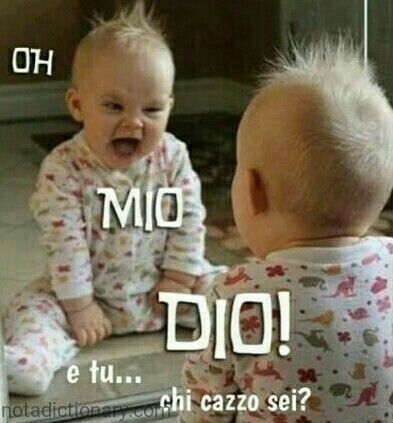
Stare sui coglioni — when not to use it

Immagina se arrivavo così!
Imagine if I showed up like this!

Stare sui coglioni is one of the strongest everyday ways to say you can’t stand someone. It’s common in casual speech, especially among friends, but it’s very vulgar. In almost every public or professional situation, Italians switch to softer expressions like dare fastidio or essere pesante.

📌 Use instead
  • Mi dà fastidio.He bothers me.
  • È pesante.He’s annoying / a bit much.
  • Mi secca.He gets on my nerves.
  • Mi infastidisce.He irritates me. (more formal)
🔥 Italian grammar notes
⚡ Snippet

Learners often misuse lo vs. la vs. li/le

Learners often misuse lo vs. la vs. li/le: the pronoun must agree with the noun it replaces in gender and number.

L’ho detto (I said it – referring to masculine singular il messaggio)
L’ho detta (I said it – referring to feminine singular la frase)
Lo ho dettoWrong! Always contract to L’ho before vowels!

1 10 11 12 13 14 17