ITALIAN LANGUAGE

🔥 Italian grammar notes
⚡ Snippet

If you are playing a team sport, a game with a ball, or against an opponent, use the preposition A

Giocare a calcio (To play soccer)
Giocare a tennis (To play tennis)
Giocare a carte (To play cards)
Giocare il calcioMistake! (This literally means “to play the kick” as if “calcio” were a physical object you are manipulating, not the name of the sport).

In Italian, the presence or absence of the preposition changes the meaning entirely:

  • Giocare A + [Game Name] = To play the game (following rules, a match).
    • Gioco a calcio = I am playing soccer (the sport).
  • Giocare + [Noun without preposition] = To play with an object (toy around, manipulate a physical item).
    • Gioco il pallone = I am playing with the ball (kicking it around casually).
    • Gioco la chitarra = I am playing the guitar (making music with the instrument).

Rule of thumb: If you can say “play in” or “play at” in your native language logic regarding a sport → always use A. If you are holding an object → no preposition.
🔥 Italian for Travelers
📝 Post

Vabbè — the tiny word that does everything

No vabbè! → No way! Seriously?! Ma vabbè! → Come on! / Give me a break!
No vabbè! → No way! Seriously?!
Ma vabbè! → Come on! / Give me a break!

Imagine two friends missing a bus.

“The bus is gone.”
One shrugs, smiles, and says: Vabbè. Andiamo a piedi.
Oh well. Let’s walk.

📌
Vabbè, pazienza.
Oh well, never mind.

Vabbè, ci vediamo.
Alright then, see you.

Ma vabbè!
Come on! / Oh, give me a break!

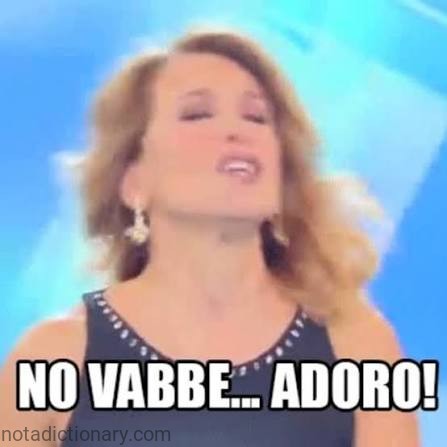
If you spend a day in Italy, you’ll probably hear vabbè dozens of times. It’s an everyday conversational filler that can mean “oh well,” “alright then,” or “come on,” depending on the tone. In formal writing, va bene is preferred. On Italian social media, “No vabbè…” has become a classic reaction opener. People say it before sharing amazement, excitement, or disbelief—just like the meme above: “No vabbè… adoro!” (“No way… I love it!”). It has become part of the rhythm of everyday Italian conversation, especially among younger speakers.

🔥 Italian usage
⚡ Snippet

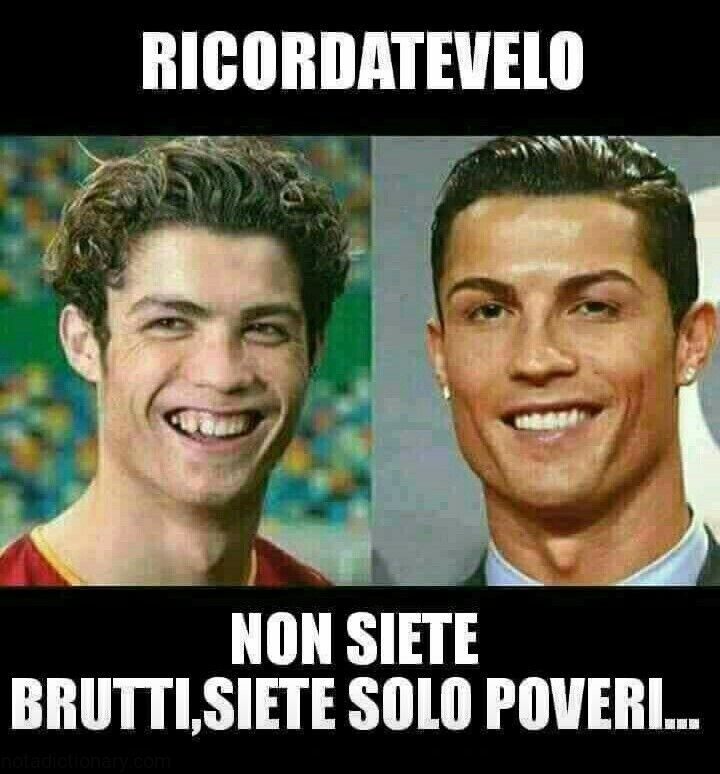
Non siete brutti, siete solo poveri… | How not to be rude in italian

Non siete brutti, siete solo poveri… | How not to be rude in italian

The phrase Non siete brutti, siete solo poveri… “You aren’t ugly, you’re just poor” is sarcastic/vulgar humor. In real life, Italians soften criticism:

Non è il vostro giorno migliore (It’s not your best day)
Avete un look… originale! (You have a… unique look!)
⚠️ Avoid brutto/povero in direct address—it’s harsh unless joking with close friends.

1 2 3 4 17