🔥 Italian for Travelers
📝 Post
Italian for Travelers
🔥 Italian for Travelers
📝 Post
Vabbè — the tiny word that does everything

Ma vabbè! → Come on! / Give me a break!
Imagine two friends missing a bus.
“The bus is gone.”
One shrugs, smiles, and says: “Vabbè. Andiamo a piedi.
Oh well. Let’s walk.“
📌
Vabbè, pazienza.
Oh well, never mind.
Vabbè, ci vediamo.
Alright then, see you.
Ma vabbè!
Come on! / Oh, give me a break!
If you spend a day in Italy, you’ll probably hear vabbè dozens of times. It’s an everyday conversational filler that can mean “oh well,” “alright then,” or “come on,” depending on the tone. In formal writing, va bene is preferred. On Italian social media, “No vabbè…” has become a classic reaction opener. People say it before sharing amazement, excitement, or disbelief—just like the meme above: “No vabbè… adoro!” (“No way… I love it!”). It has become part of the rhythm of everyday Italian conversation, especially among younger speakers.
🔥 Italian for Travelers
📝 Post
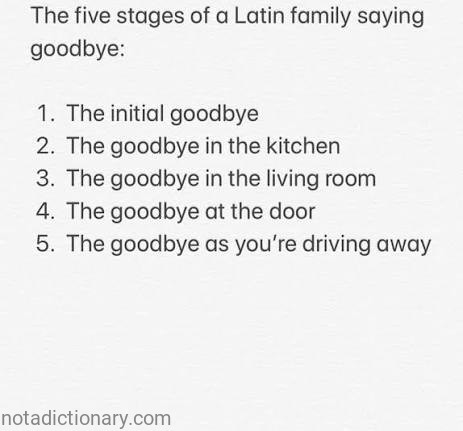
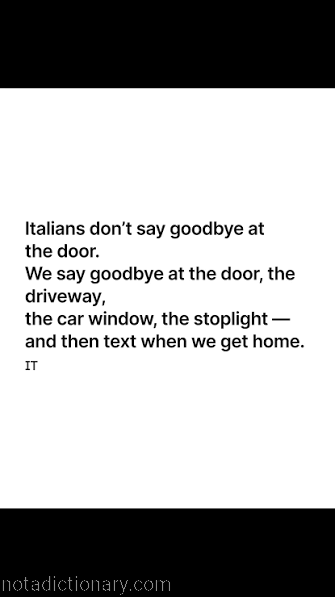
Italian farewells, ranging from casual to dramatic
Not all farewells are equal! Context is everything in Italian.
Casual & Friendly:
✅ Ciao = Hi/Bye (Informal, temporary, friends/family)
✅ Ci vediamo / Ci si vede = See you (Very common, implies future meeting)
✅ A dopo / A più tardi = See you later (Specific timeframe)
✅ Buona giornata = Have a good day (Polite but warm, used when parting during the day)
✅ Buonasera = Good evening (Formal/Polite, used after ~4 PM)
Slang & Regional:
✅ Salve = Hello/Goodbye (Neutral, semi-formal, safe for acquaintances)
✅ Bella / Bello = Bye (Very informal, youth slang, short for “Ciao bella/bello”)
✅ Stammi bene = Take care (Literally “Stay well”, affectionate)
✅ Un abbraccio = A hug (Warm closing for letters/messages or close friends)
️ Addio = Farewell (Final, dramatic, permanent). Using addio for friends is hyperbolic humor — unless you’re moving to another continent!’
Formal & Professional:
✅ Arrivederci = Goodbye (Standard formal, implies seeing again)
✅ ArrivederLa = Goodbye (Very formal, respectful, use with elders/superiors)
✅ Distinti saluti = Best regards (Written only, emails/letters)
✅ Cordiali saluti = Kind regards (Written only, standard business closing)
Dramatic & Emotional:
😢 Addio = Farewell forever (Finality, death, permanent separation)
😢 Non ti vedrò più = I won’t see you anymore (Literal, sad)
😢 Fai buon viaggio = Have a safe journey (Used when someone is leaving for a long time)
Common Mistakes to Avoid:
Buongiorno as goodbye → Only use Buona giornata when leaving! Buongiorno is strictly for greeting upon arrival.
❌ Ciao with strangers/elders → Too informal! Use Salve or Buongiorno/Buonasera.
❌ Addio in daily life → Sounds like you’re dying or emigrating! Stick to Arrivederci.
🔥 Italian for Travelers
⚡ Snippet
Gelato Vocabulary | Essential terms for the gelateria 🍦
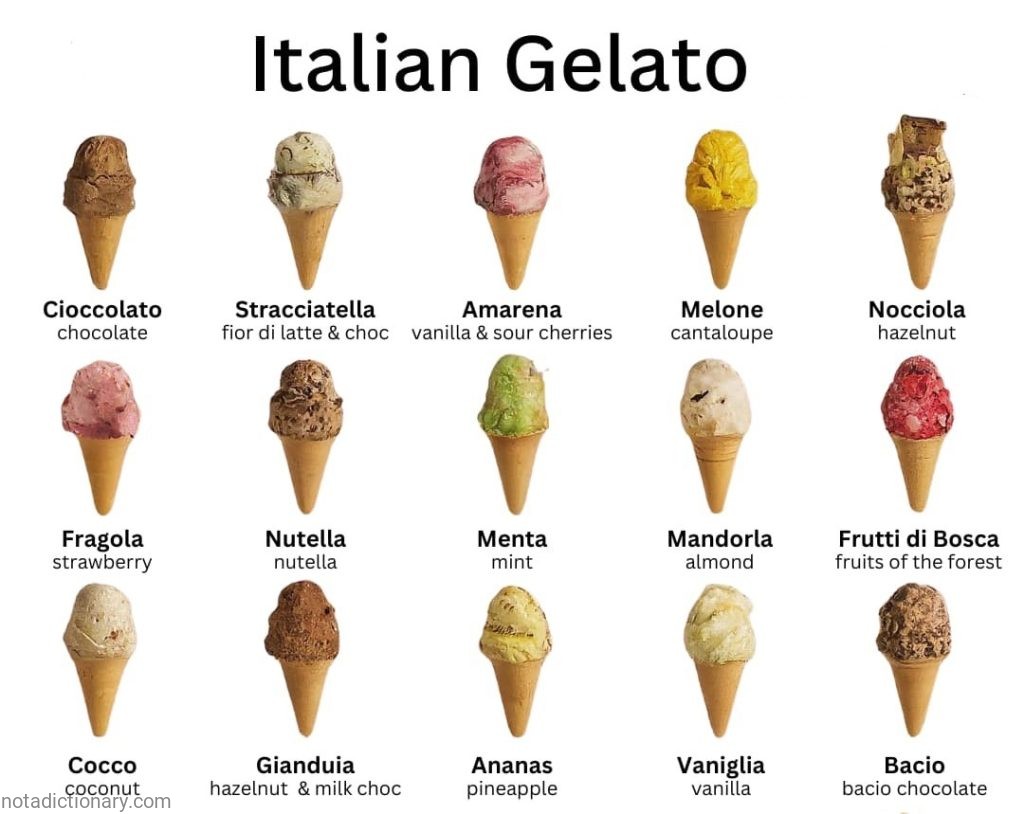
🍦 Cono (cone) vs Coppetta (cup)
🍧 Pallina (scoop): Due palline (two scoops)
🍨 Gusto (flavor): Che gusti avete? (What flavors do you have?)
⚠️ Never say “gelato” for sorbetto (dairy-free fruit ice)!