ITALIAN LANGUAGE

🔥 It Dialects
⚡ Snippet

“Pecato tu non puole manciare” | South dialectical moments
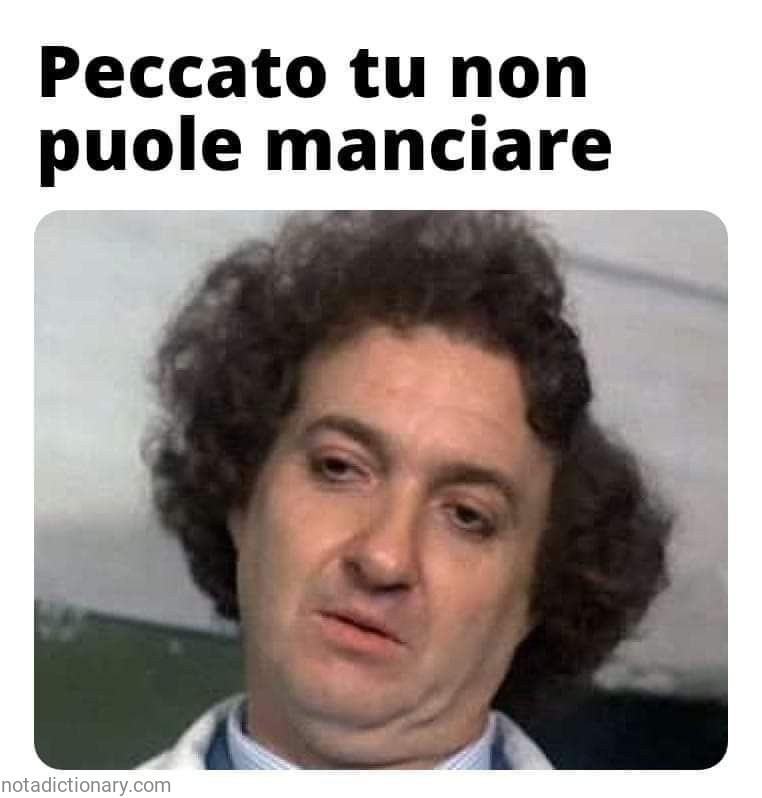
“Pecato tu non puole manciare” | South dialectical moments
“Pecato tu non puole manciare” contains some south dialectical moments: “pecato” should be “peccato” (pity/shame), “puole” is dialect for “puoi” (you can), and “manciare” is dialect for “mangiare” (to eat). The correct standard Italian would be: “Peccato che tu non possa mangiare!” (Too bad you can’t eat!)

Learners often confuse potere (can/able to) conjugations: posso, puoi, può, possiamo, potete, possono. The form “puole” doesn’t exist in standard Italian – it’s purely dialectal!

Tu puoi mangiare (You can eat – standard)
📝Tu puole mangiare → Dialect only, not understood everywhere!
🔥 Italian usage
⚡ Snippet

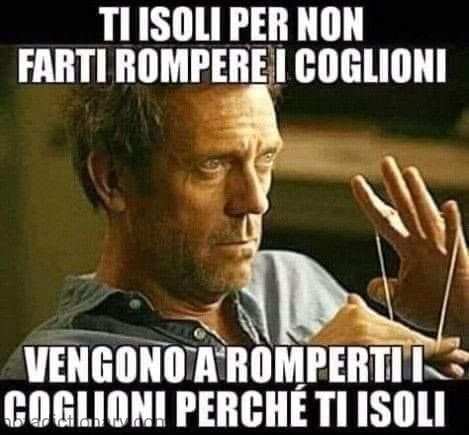
Rompere i coglioni | Italian usage

Rompere i coglioni meaning “to be a pain in the ass” is extremely vulgar – use only with close friends! Polite alternatives: disturbare (to disturb), seccare (to bother), infastidire (to annoy).

🔥 Italian grammar notes
⚡ Snippet

Learners often misuse farsi vs. fare

Learners often misuse farsi vs. fare: farsi is reflexive (something happens TO you), while fare is active (YOU do something). Example:
Mi faccio la barba (I shave myself – I do it)
Mi si rompe il telefono (My phone breaks – it happens to me)
Faccio rompere il telefono → Means YOU break someone else’s phone!

🔥 Italian grammar notes
⚡ Snippet

Learners often misuse lo vs. la vs. li/le

Learners often misuse lo vs. la vs. li/le: the pronoun must agree with the noun it replaces in gender and number.

L’ho detto (I said it – referring to masculine singular il messaggio)
L’ho detta (I said it – referring to feminine singular la frase)
Lo ho dettoWrong! Always contract to L’ho before vowels!

1 9 10 11 12 13 17